
But I Have Issues Being Calm
Notti - Malaysia










In today’s health-conscious world, pet owners are turning to natural and preventative solutions to enhance the well-being of their furry companions. Ashwagandha stands out as a versatile botanical that can safely be incorporated into the diets of pets. This botanical is valued as an adaptogen and is being studied for its role in supporting the everyday wellbeing of companion animals.

Support digestive wellbeing

Support a normal stress response

Support normal sleep and everyday calmness

Support general wellbeing and normal recovery

Support normal cognitive function

Support a healthy, shiny coat

Support gut health

Support overall wellbeing
Title: Efficacy and safety of standardized Ashwagandha (Withania somnifera) root extract on reducing stress and anxiety in domestic dogs: A randomized controlled trial.
Conclusion: The study demonstrated that Ashwagandha root extract supplementation (15 mg/kg body weight) in dogs significantly reduced cortisol levels, fear and anxiety, and CBPI pain severity and pain interference domain scores, compared to placebo. The supplementation was well-tolerated with no adverse events reported. The findings suggest that Ashwagandha root extract is safe and effective in reducing stress, fear, and anxiety in dogs.
Kaur J, et al., (2022) Journal of Veterinary Behavior, 51, 8-15.Title: Effects of Ashwagandha (Withania somnifera) root extract on aging-related changes in healthy geriatric dogs: A randomized, double-blinded placebo-controlled study.
Conclusion: The study demonstrated that Ashwagandha root extract supplementation (15 mg/kg body weight) in geriatric dogs significantly reduced cortisol levels, interleukin-10 and Interferon-γ, when compared to placebo group. There was also a significant increase in superoxide dismutase, catalase and glutathione concentrations. The supplementation was well-tolerated with no adverse events reported. The findings suggest that Ashwagandha root extract is safe and effective in reducing stress, and managing aging related changes in geriatric dogs.
Bharani, K. K., et al., (2024). Veterinary medicine and science, 10(5), e1556.Title: The role of Ashwagandha in modulating gut parameters in dogs—a randomized double-blind placebo-controlled trial.
Conclusion: The study demonstrated that Ashwagandha root extract supplementation (15 mg/kg body weight) in dogs significantly improved fecal scores, red blood cell counts, and hemoglobin levels. It also led to a significant increase in the levels of propionic acid and SCFA (short chain fatty acids) which are two important gut metabolites, known to have anti-inflammatory and gut barrier promoting activities.
Bharani KK, et al., (2025) Front. Vet. Sci. 11:1491989.Title: Effects of Ashwagandha Root Extract on a healthy coat and fur in Healthy Dogs: A Randomized, Double-Blinded Placebo-Controlled Study.
Conclusion: The study demonstrated that Ashwagandha root extract supplementation (15 mg/kg body weight) in dogs significantly reduced transepidermal water loss, indicating better moisture retention in the skin. There was also a significant increase in skin hydration, skin elasticity, and moisture content. Histopathological findings showed an increased number of hair follicles in various stages of mitosis. These findings suggest that Ashwagandha root extract may support skin health and a healthy coat in dogs.
Effects of Ashwagandha Root Extract on a healthy coat and fur in Healthy Dogs: A Randomized, Double-Blinded Placebo-Controlled Study (Under peer-review)Title: Efficacy and Safety of Ashwagandha Root Extract on Cognitive Behavior in Geriatric Dogs: A Randomized, Double-Blinded Placebo-Controlled Study.
Conclusion: The study demonstrated that Ashwagandha root extract supplementation (15 mg/kg body weight) in geriatric dogs significantly increased serotonin, dopamine, and Nerve Growth Factor levels. There was also a significant improvement in Canine Dementia Scale scores for sleep, anxiety, altered activity, and disorientation. These findings suggest that Ashwagandha root extract may support cognitive health in geriatric dogs.
Devarasetti, A. K., et al., (2026). Journal of Applied Animal Research, 54(1).Title: Adaptogenic Ashwagandha root extract modulates inflammatory markers in feline stress management: a double-blind placebo-controlled clinical trial.
Conclusion: The study demonstrated that supplementation with Ashwagandha root extract (15 mg/kg body weight) in cats significantly reduced cortisol levels and inflammatory markers while also increasing hematological parameters. No detrimental changes were observed in liver and kidney function parameters. The supplementation was well-tolerated, with no adverse events reported. These findings suggest that Ashwagandha root extract is safe and effective in reducing stress and inflammation in cats.
Devarasetti, A. K., et al., (2024). Journal of Applied Animal Research, 52(1).Title: Effects of Ashwagandha Root Extract on a healthy coat and fur in Healthy Cats: A Randomized, Double-Blinded Placebo-Controlled Study.
Conclusion: The study demonstrated that Ashwagandha root extract supplementation (15 mg/kg body weight) in cats significantly reduced transepidermal water loss, indicating better moisture retention in the skin. There was also a significant increase in skin hydration, skin elasticity, and moisture content. Histopathological findings showed an increased number of hair follicles in various stages of mitosis. These findings suggest that Ashwagandha root extract may support skin health and a healthy coat in cats.
Effects of Ashwagandha Root Extract on a healthy coat and fur in Healthy Cats: A Randomized, Double-Blinded Placebo-Controlled Study (Under Peer Review)Title: Adaptogenic and Immunomodulatory Activity of Ashwagandha Root Extract: An Experimental Study in an Equine Model.
Conclusion: The study demonstrated that Ashwagandha root extract supplementation (2.5 gm/animal, 5 gm/animal, and 10 gm/animal per day) in horses exhibited a significant reduction in cortisol, interleukin-6, and epinephrine levels …and a non-significant increase in hemoglobin, total erythrocyte count, total leucocyte counts, and lymphocyte percentage. The supplementation was well-tolerated with no adverse events reported. The findings suggest that Ashwagandha root extract is safe and has potent hemopoietic, antioxidant, adaptogenic, and possesses immune-modulatory properties.
Priyanka, G., et al. (2020). Frontiers in Veterinary Science, 7, 541112.Title: Safety and efficacy of KSM-66 Ashwagandha root extract in enhancing endurance and general well-being in horses.
Conclusion: The study demonstrated that Ashwagandha root extract supplementation (15 mg/kg body weight) in horses significantly lowered post-race heart rate and respiratory rate. There was a significant decrease in lactate and creatine kinase levels, and a significant increase in total antioxidant capacity, superoxide dismutase, and catalase. Interleukin-1β, tumour necrosis factor-α, and cardiac troponin levels were significantly lower. Aspartate aminotransferase, alanine aminotransferase, alkaline phosphatase, blood urea nitrogen, and creatinine levels also decreased significantly. These findings suggest that Ashwagandha root extract may support endurance, recovery, and general well-being in horses.
Safety and efficacy of KSM-66 Ashwagandha root extract in enhancing endurance and general well-being in horses (Under Peer Review)
But I Have Issues Being Calm
Notti - Malaysia
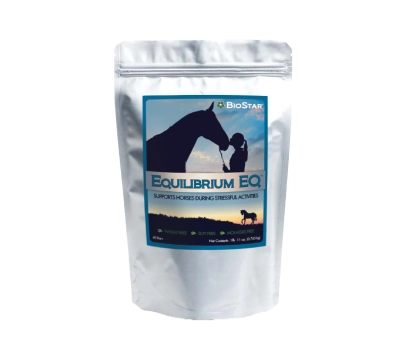
Equilibrium EQ
BioStar - USA
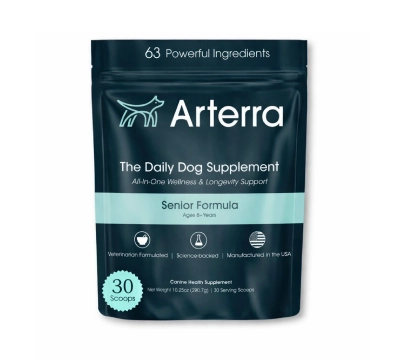
Senior Longevity Multivitamin
Arterra Pet - USA
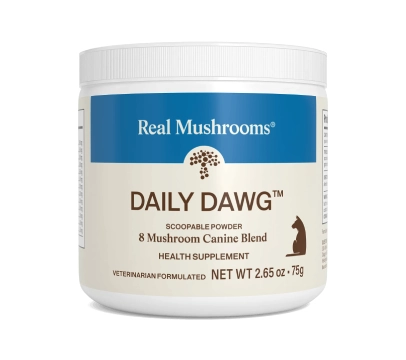
Daily Dawg
Real Mushrooms - Canada
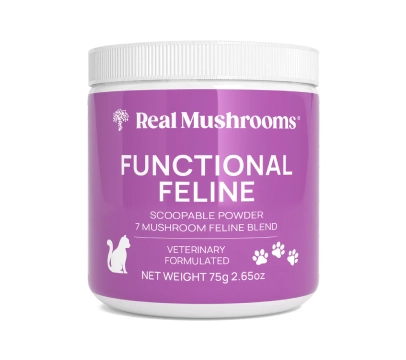
Functional Feline
Real Mushrooms - Canada
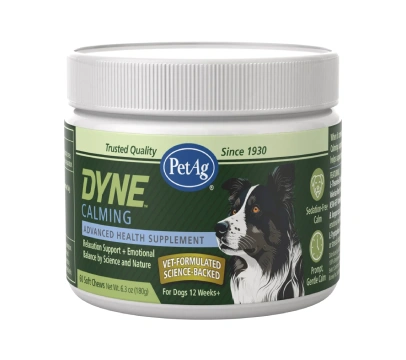
DYNE Calming Chews
PetAG - USA
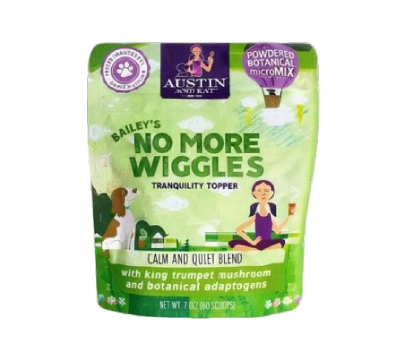
Bailey's No More Wiggles
Austin and Kat - USA
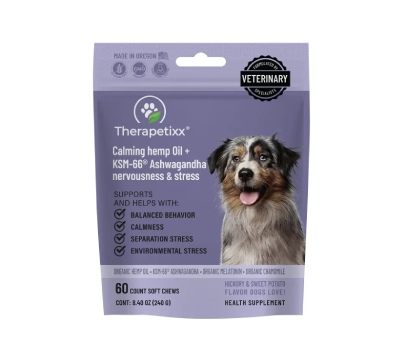
Calming Hemp Oil
Therapetixx - USA
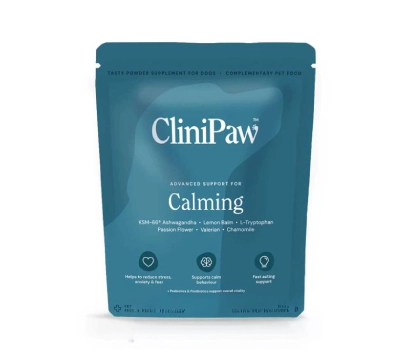
CalmingMeal Topper
CliniPaw - UK

Calming
Ferapets - USA
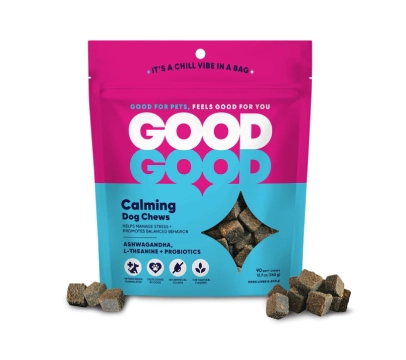
Calmin Dog Chews
Good Good - USA
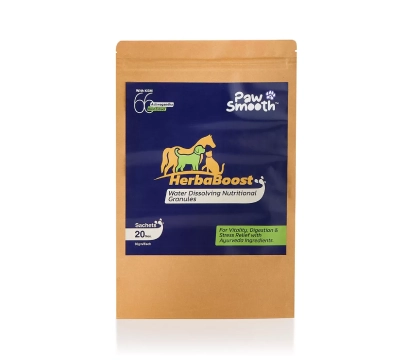
HerbaBoost
Pawsmooth - India

Canine Geriatric Basics
Thorne - USA
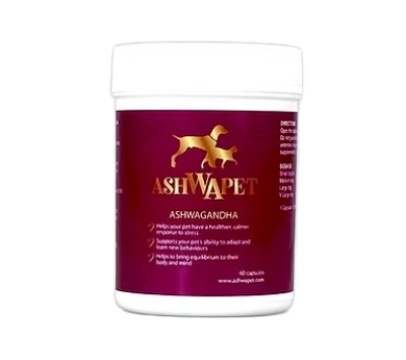
Ashwagandha
Ashwapet - UK
Settle
Leadr - Australia
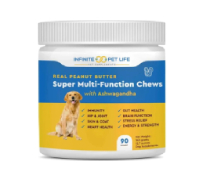
Peanut Butter Soft Chew
Infinite Pet Life - USA
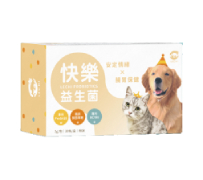
Happy Probiotics
Leqi - Taiwan
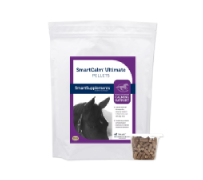
SmartTranquility® Ultimate Pellets
Smart Tranquility - USA
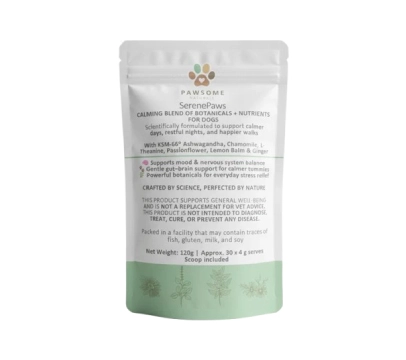
SerenePaws
Pawsome Naturals - Australia
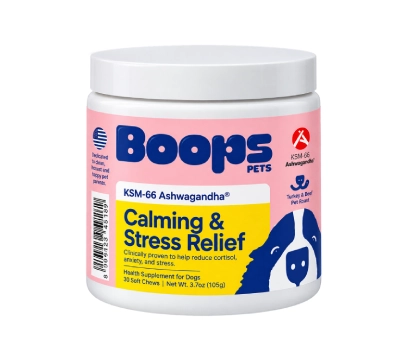
Calming and Stress Relief
Boops Pets - USA
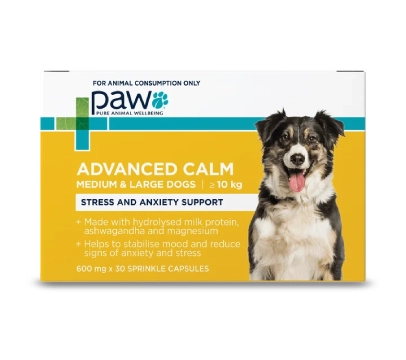
Advanced Calm
Pure Animal Wellness - USA
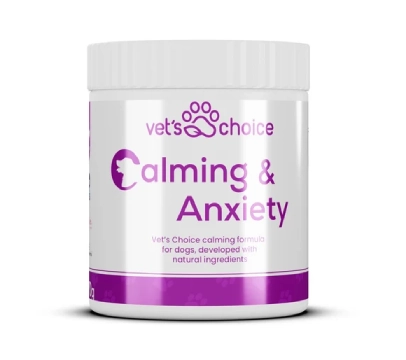
Calming and Anxiety
Vet's Choice - UK
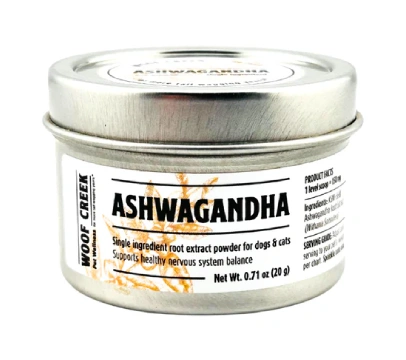
Ashwagandha
Woof Creek Pet Wellness - USA
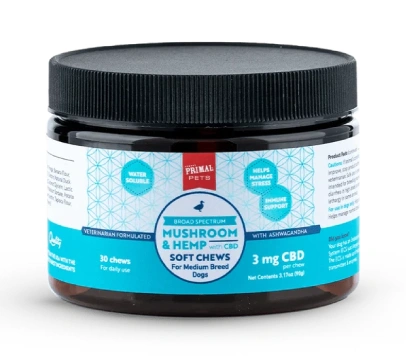
Dog Mushroom & Hemp Soft Chews
Happy Pet - USA
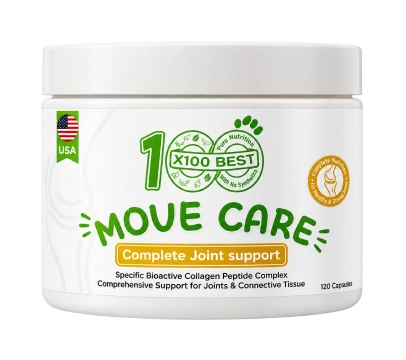
Move Care
X100BEST - USA
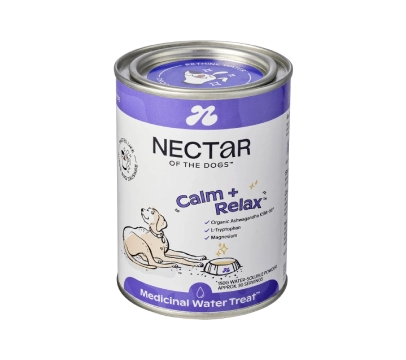
Calm + Relax
Nectar of the Dogs - Australia
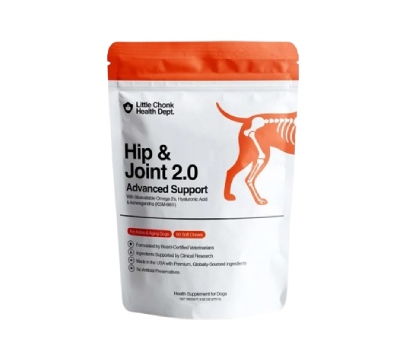
Hip and Joint 2.0
Little Chonk